
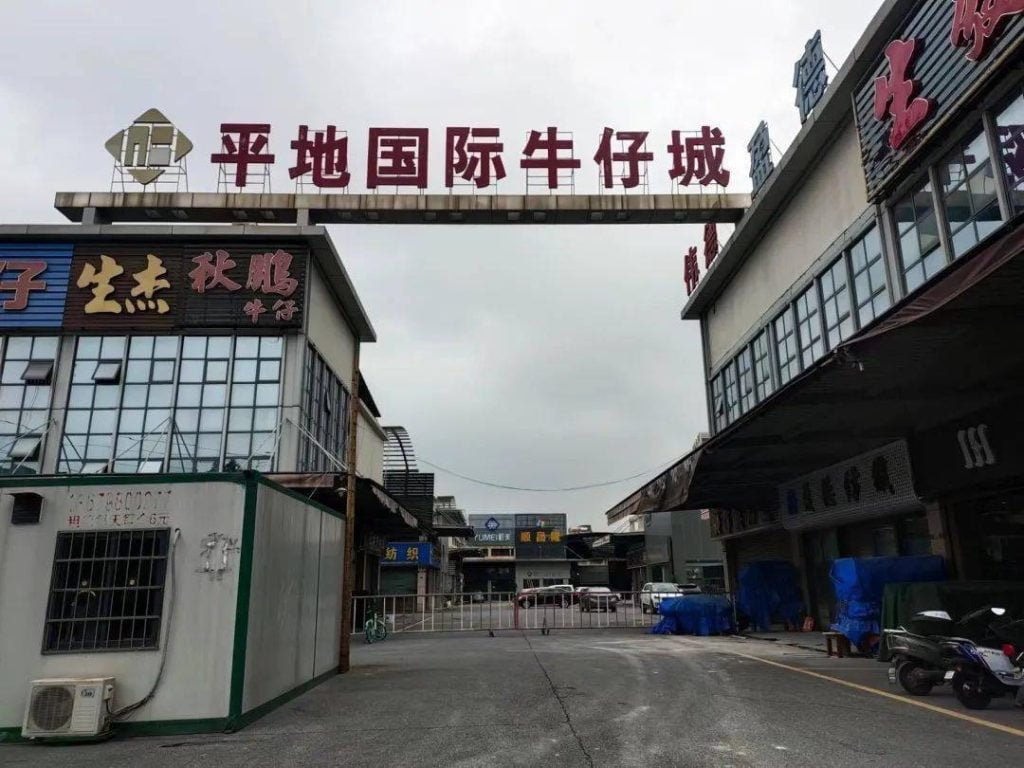
Buyers looking for where to buy denim fabric in China will find several sourcing routes rather than one single market or supplier type. The best route depends on the fabric specification, quantity, development stage, timing and whether the buyer needs available stock or a new production program.
China’s denim supply chain includes mills, stock fabric suppliers, textile-market traders and sourcing partners. Knowing the difference helps a buyer approach the right source and prepare a clearer request.
Understanding China’s Denim Fabric Market
Denim sourcing is distributed across production regions and commercial networks. Some suppliers focus on fabric made to specification, while others carry existing stock or connect buyers with partner inventories. A buyer may also work through a sourcing partner when the exact mill, construction or availability is not yet known.
This means “China denim supplier” can describe very different businesses. Before comparing offers, ask whether the fabric is current stock, partner stock or a new-production option. Also confirm which specifications and quantities are available at the time of inquiry.
Common Places Buyers Source Denim
Denim mills
Mills are relevant when a buyer needs a planned production run with defined construction, color, finish and performance requirements. Lead time, development work and commercial terms depend on the mill and the project. A mill route may suit established programs but is not automatically the best fit for every sample or small run.
Stock fabric suppliers
Stock suppliers offer fabric that is already available or held within an active supply network. Ready stock can shorten the path to sampling and can be useful for smaller or time-sensitive garment development. Availability must still be checked because color, lot and remaining quantity can change.
Textile markets and traders
Textile markets and trading businesses can provide access to a wide range of qualities and price levels. The buyer should verify product identity, specifications, available quantity and whether the sample shown represents the fabric that will be supplied.
Sourcing partners
A sourcing partner can compare options across stock and supplier channels, especially when the buyer starts with a garment reference, target weight or wash appearance instead of a complete fabric specification. The value lies in narrowing choices and clarifying what is known before samples are sent.
For a broader explanation of these roles, see the guide to denim manufacturers, suppliers and sourcing in China.
South China and the Foshan / Guangdong Supply Chain
ZLDENIM is based in Foshan, Guangdong, within one of South China’s important textile and garment supply regions. Proximity to fabric suppliers, finishing resources, garment businesses and logistics networks can support comparison and communication during a sourcing request.
This location does not mean ZLDENIM owns a mill, weaving factory or dyeing facility. ZLDENIM operates as a denim fabric supplier and sourcing partner, using some own available stock, partner stock and a wider sourcing network according to the buyer’s requirement.
Ready Stock vs New Production
Available stock can be a practical choice for samples, small runs and urgent replenishment. Available stock is not tied to a fixed production MOQ. Availability and quantity are confirmed at the time of inquiry.
New production can suit projects that require a defined construction, color, finish or larger planned quantity. It normally involves development decisions and production lead time. Minimum quantities and terms vary by supplier and specification, so they should be confirmed for the actual project rather than assumed from a generic figure.
Buyers can review current ready-stock sourcing options and browse the denim fabric catalog to understand the types of fabric ZLDENIM handles.
What Information to Send a Supplier
A concise sourcing brief saves time and makes comparisons more reliable. Include as many of the following details as possible:
- target fabric weight;
- fiber composition or preferred blend;
- rigid or stretch requirement and expected stretch level;
- color, cast or visual reference;
- usable width;
- estimated quantity;
- intended garment, such as jeans, jackets, shirts or dresses;
- reference image or physical swatch;
- target wash, handfeel or finished appearance;
- sampling and delivery timing.
If not every field is known, explain which points are essential and which are flexible. A reference image can guide an initial search, but physical sampling remains important because screen color and texture do not fully represent fabric behavior.
How to Compare Options Before Buying
Compare fabrics against the garment result, not just a short product name. Check confirmed specifications, inspect handfeel and surface character, and ask how the fabric is expected to respond to the planned wash. For bulk decisions, confirm quantity, lot information and any sampling or testing steps required by your production team.
Where available, request swatches or sample yardage. Sampling lets the garment team review cutting, sewing, washing and finished measurements before relying on a fabric for production.
How ZLDENIM Helps Buyers Source in China
ZLDENIM works through three practical channels: own available stock, stock and options from partners, and a wider sourcing network. This allows a request to start from a confirmed specification or from a reference image and intended garment.
ZLDENIM can help check known information, compare available routes and arrange swatches or sample yardage where available. It does not present every option as its own production. To start a China denim search, send your fabric requirement to ZLDENIM.